
WHA Industrial Development, the focal point of Eastern Economic Corridor (EEC)
The Eastern Economic Corridor (EEC) is a key economic development initiative launched by the Thai government in 2016. It covers three provinces—Chachoengsao, Chonburi, and Rayong—and builds upon the Eastern Seaboard project. The EEC is governed by the Eastern Special Development Zone Act B.E. 2561 (2018) and is overseen by Eastern Economic Corridor Office of Thailand (EECO). The project aims to boost Thailand's economy and support its transition into the "Thailand 4.0" era.
Role of the Eastern Economic Corridor Office of Thailand (EECO)
Eastern Economic Corridor Office (EECO) is the agency responsible for overseeing the development of "Special Economic Zones" in the provinces of Chachoengsao, Chonburi, and Rayong. Its goal is to drive investment and foster collaboration between the government and the private sectors to enhance the Thailand’s competitiveness. This is achieved by developing conducive economic activities and the environment to attract investment. Additionally, the EECO focuses on systematically building infrastructure while developing cities to elevate the quality of life. The EECO operates under the Eastern Special Development Zone Act B.E. 2561 (2018) and works in alignment with the overall development plan for the Eastern Economic Corridor. From 2023 to 2027, the development will focus on five main areas:
Learn more about EEC


Promote Investment in Key Industries and Future Services: Attract investments by providing incentives and support systems.
Enhance Infrastructure nd Public Services: Focus on creating interconnected transportation networks to support economic growth.
Develop a Skilled Workforce for Technological Advancements: Equip the workforce to address the needs of emerging industries and technological advancements.
Create Livable and Sustainable Cities: Optimize land use based on zoning plans and foster low-carbon, environmentally friendly urban development.
Link Investments to Community Sustainability: Strengthen local businesses, create income opportunities, and reduce inequality by promoting sustainable economic practices.
EEC 12 Target Industries
The new industry clusters in the Eastern Economic Corridor (EEC) are accelerating Thailand’s economic transformation toward innovation and advanced technologies. They strengthen integrated value chains, attract global investment, and enhance the capabilities of Thailand’s workforce. Together, these clusters create a strong platform for long-term, sustainable economic growth and investment opportunities in Thailand.



New Cities / Hospitals
($11.5 Billion USD)

Tourism
($5.7 Billion USD)
Industry
($14 Billion USD)
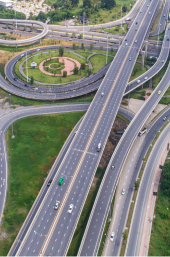
Motorway
($1 Billion USD)
Dual-track Railway
($1.8 Billion USD)
High-speed Train
($4.5 Billion USD)
Laem Chabang Port
($11.5 Billion USD)
Map Ta Phut Port
($5.7 Billion USD)
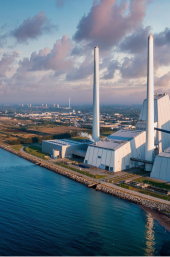
U-Tapao International Airport
($14 Billion USD)